
Top Chipmunk Removal And Control Service Products For Effective Pest Management
Explore the leading solutions designed to help you efficiently eliminate chipmunks and protect your property from damage.
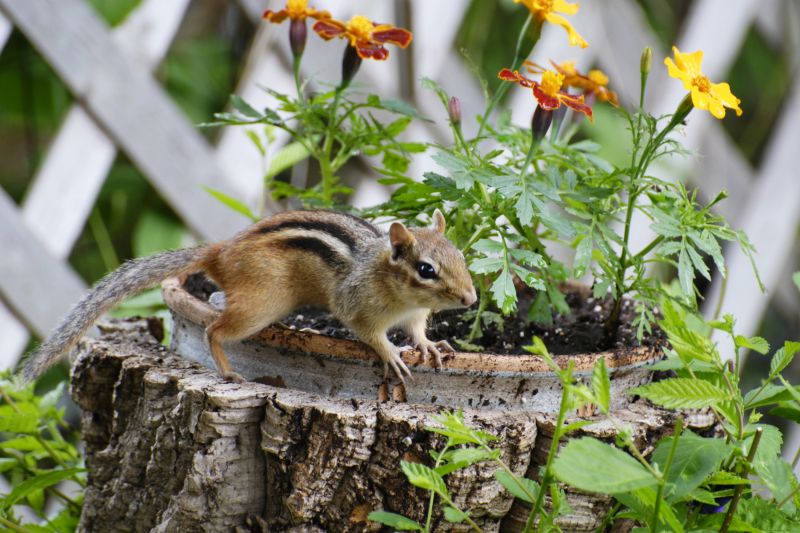 Dealing with chipmunks in residential or commercial properties can be a challenging task, as these small rodents often find ways into attics, garages, and garden areas. Effective chipmunk removal and control require a combination of humane trapping methods, exclusion techniques, and sometimes repellents. Selecting the right products is essential to ensure the safety of both the property and the animals, while also preventing future invasions. It is important to understand the different options available, from live traps to barrier systems, and to choose solutions that match the specific situation and environment.
Types of Products For Chipmunk Removal And Control Service
Live Traps
Designed for humane capture, these traps allow for safe removal and relocation of chipmunks, reducing the need for lethal control methods.
Snap Traps
Lethal traps that quickly dispatch chipmunks upon activation, suitable for those seeking immediate control solutions.
One-Way Exit Doors
Barrier devices that let chipmunks leave an enclosed space but prevent re-entry, ideal for exclusion efforts.
Mesh Barriers
Physical barriers that block entry points and prevent chipmunks from accessing attics, walls, or gardens.
Repellents
Chemical or ultrasonic repellents designed to deter chipmunks from specific areas, often used in conjunction with other methods.
Scent Deterrents
Products that use strong odors to discourage chipmunks from inhabiting certain areas.
Electric Fencing
Low-voltage fencing that creates a barrier to prevent chipmunks from crossing into protected zones.
Sound Devices
Ultrasonic devices that emit sounds intended to repel chipmunks, often used outdoors.
Trapping Kits
Complete kits that include multiple traps and accessories for comprehensive chipmunk control.
Poison Baits
Chemical baits designed for lethal control, used with caution and in accordance with local regulations.
Habitat Modification Tools
Products like plant covers and yard cleanup tools that reduce attractants for chipmunks.
Garage and Attic Sealants
Sealants and foam that close off entry points in structures, preventing re-entry after removal.
Popular Choices
Widely used for safe and non-lethal removal, these traps are favored for their versatility and ease of use.
A common choice for quick results, snap traps are often selected for their simplicity and effectiveness.
Effective for exclusion, these devices help prevent re-entry after chipmunks are removed.
Popular outdoor deterrents that emit sound waves to discourage chipmunk activity.
Durable mesh barriers are frequently used for long-term exclusion of chipmunks from gardens and structures.
Products that help eliminate attractants, making properties less appealing to chipmunks.
Sealing products are popular for closing off entry points in foundations and walls.
Odor-based deterrents are frequently used to keep chipmunks away from specific areas.
Low-voltage fencing options are commonly selected for outdoor exclusion efforts.
Complete sets of traps and accessories are popular among DIY pest controllers.
When considering chipmunk control products, factors such as ease of use, safety, effectiveness, and durability are key. Some products are designed for temporary removal, such as snap traps or live traps, while others focus on exclusion, like mesh barriers or one-way doors that allow animals to leave but not re-enter. Proper identification of entry points and understanding the behavior of chipmunks can greatly enhance the success of control efforts. It is also advisable to combine physical removal with habitat modification to make the area less attractive to these rodents.
Many control products are available that cater to different preferences and needs, whether for DIY enthusiasts or professional pest control services. Selecting high-quality, reliable products can help ensure humane treatment and long-term solutions. Always follow manufacturer instructions carefully, and consider consulting with pest management professionals for complex situations. With the right approach and tools, it is possible to manage chipmunk activity effectively while minimizing risks and disturbances to the surrounding environment.
Key Buying Considerations
- Identify entry points and nesting areas to choose the most effective control method.
- Decide between humane live traps and lethal options based on personal preferences and local regulations.
- Consider the size and type of traps to ensure they are suitable for chipmunks.
- Evaluate the ease of use and maintenance requirements of the products.
- Check if the product is designed for outdoor or indoor use, depending on the location of the infestation.
- Look for products with clear instructions and safety features to prevent accidental injuries.
- Assess the durability and material quality for long-term effectiveness.
- Determine if the product includes bait or if additional bait purchase is necessary.
- Consider whether exclusion products like barriers or sealants are needed for preventive measures.
- Review product reviews and ratings to gauge reliability and user satisfaction.
- Be aware of local wildlife laws and regulations regarding trapping and removal.
- Estimate the size of the affected area to select appropriately scaled products.
- Think about the frequency of use and whether ongoing control is required.
- Ensure the products are humane if that aligns with your ethical preferences.
- Compare costs and consider the value offered by comprehensive kits versus individual items.
This content contains affiliate links. We may earn a commission if you purchase through these links, at no additional cost to you.