Chipmunk Removal and Control Costs
Larger properties or those with complex layouts may require more resources, increasing the cost of removal.

Severe infestations or multiple entry points can lead to higher service charges due to the additional work involved.
Different control methods, such as trapping or exclusion, vary in cost depending on their complexity and materials needed.
| Factor | Impact on Cost |
|---|---|
| Property Size | Larger areas increase labor and material costs. |
| Infestation Severity | More extensive problems require additional treatments. |
| Access Points | Multiple entry points demand more extensive exclusion work. |
| Type of Control Method | Trapping, baiting, or exclusion techniques vary in price. |
| Location | Urban or remote locations may affect service fees. |
| Time of Year | Peak seasons may incur higher rates. |
| Additional Repairs | Structural repairs or modifications add to overall costs. |
| Consultation Fees | Initial assessments may have associated charges. |
Property owners should consider comprehensive inspections to accurately determine the extent of the problem. Proper assessment ensures that the selected control methods are effective and that costs are appropriately estimated, avoiding unexpected expenses during the process.
Inspection and sealing of attic entry points are crucial for effective control, influencing overall costs.
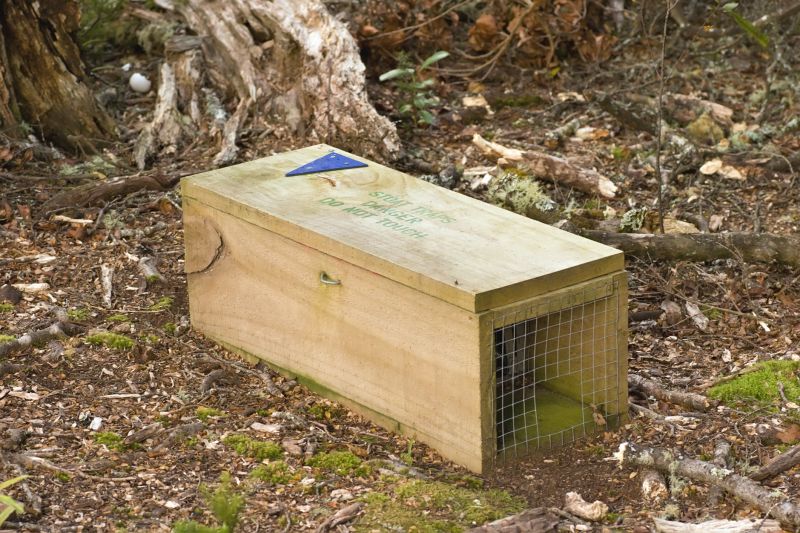
Use of traps and bait stations inside and outside the property varies in expense based on quantity and type.
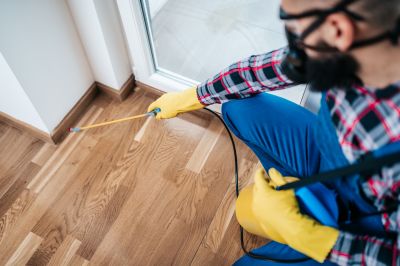
Fixing entry points and damaged areas can add to the total cost but ensures long-term exclusion.
| Service Type | Average Price Range |
|---|---|
| Basic Trapping Service | $150 - $300 |
| Exclusion and Prevention | $200 - $500 |
| Structural Repairs | $100 - $400 |
| Inspection and Assessment | $100 - $250 |
| Full Property Treatment | $300 - $800 |
| Follow-up Visits | $75 - $150 per visit |
| Emergency or Urgent Service | $200 - $600 |
| Post-treatment Monitoring | $100 - $200 |