Signs Your Commercial Property Has a Rodent Problem
Identifying signs your commercial property has a rodent problem helps connect you with local contractors who can provide effective pest control solutions.
If you manage a commercial property, recognizing the early signs of a rodent problem is essential for maintaining a safe and hygienic environment. Common indicators include the presence of droppings, gnaw marks on wiring or packaging, and unusual noises in walls or ceilings. These signs can often be subtle but are critical to identify promptly before a small issue escalates into a larger infestation. Property owners in the area who notice these clues may find it beneficial to explore professional commercial rodent control services, as experienced local contractors can help address the problem effectively and prevent future issues.
Understanding what to look for can empower property owners to act quickly and protect their investments. Beyond visible signs, an increase in pest activity during certain times or the discovery of nests and burrows can also signal a rodent presence. Engaging with local service providers who specialize in commercial rodent control ensures that the problem is handled with expertise tailored to business environments. Keep reading to learn more about the specific signs that indicate a rodent issue and how local contractors can assist in safeguarding your property.
- Commercial rodent control services are recommended when signs your commercial property has a rodent problem include evidence of droppings or gnaw marks, with local contractors performing inspections to identify entry points and nesting areas. Rodent exclusion and sealing are necessary if rodents are found entering through gaps or holes, with service providers focusing on blocking access points to prevent future infestations. Sanitation and cleanup are needed when signs your commercial property has a rodent problem involve contaminated areas or food sources, with local pros removing debris and setting traps to reduce rodent activity. Ongoing monitoring and baiting are advised if signs your commercial property has a rodent problem persist, as service providers implement trap systems and regular checks to control the population. Integrated pest management approaches are suitable when signs your commercial property has a rodent problem are combined with other pest issues, with local contractors developing comprehensive plans to address the infestation.
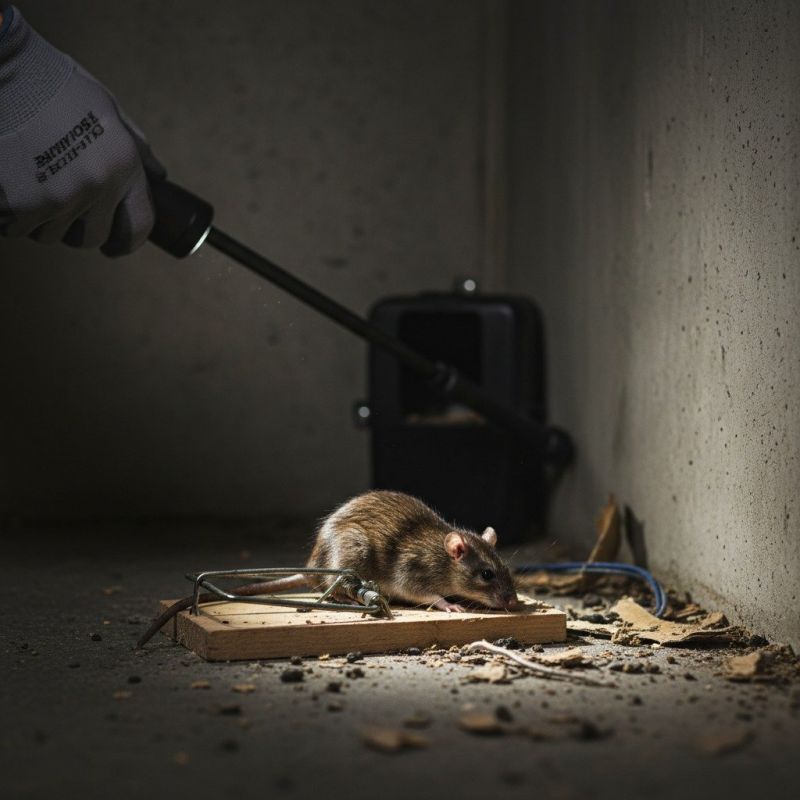
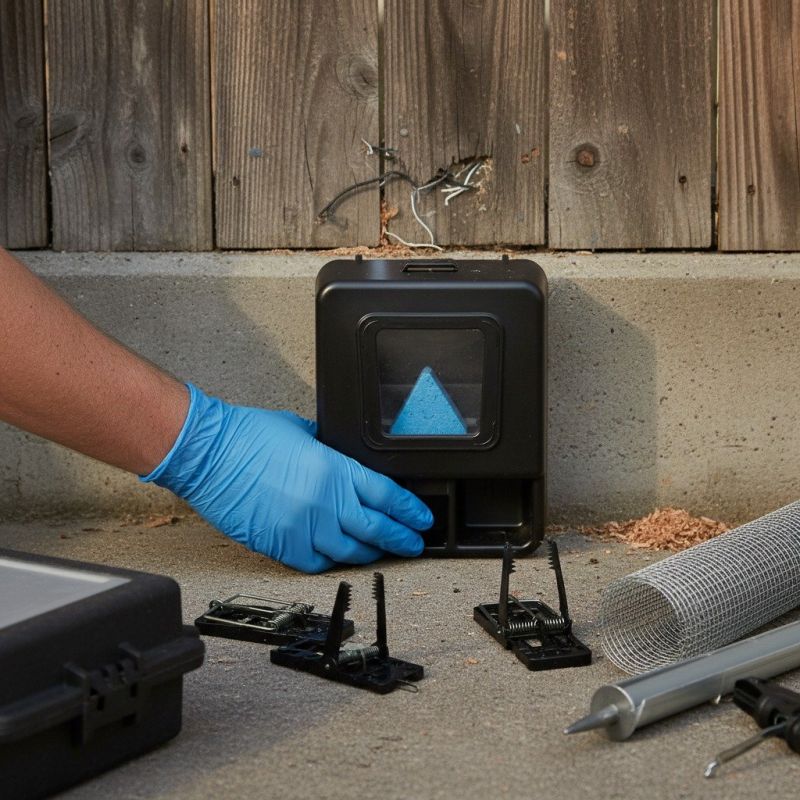

When people search for signs your commercial property has a rodent problem, they are typically trying to identify early warning indicators of an infestation that could disrupt operations or compromise hygiene standards. This concern often arises for business owners, property managers, or facility operators who want to maintain a safe and clean environment for employees, customers, or tenants. Recognizing these signs early can help prevent extensive damage, reduce health risks, and avoid costly pest control emergencies. Understanding what to look for in terms of rodent activity allows property owners to take prompt action, often with the help of local contractors who specialize in commercial rodent control.
This topic is closely related to various operational and planning considerations. For example, a business that handles food products or serves the public must adhere to strict health regulations, making it crucial to detect and address rodent issues quickly. Similarly, warehouses, manufacturing facilities, and office buildings might face different challenges but share the common goal of preventing pests from establishing a foothold. Identifying signs of rodents can influence maintenance plans, sanitation practices, and even structural repairs, all aimed at making the property less attractive to pests. Engaging experienced local service providers ensures that these issues are handled effectively, reducing the risk of ongoing infestations.
Types of properties that typically come up in discussions about signs of rodent problems include commercial kitchens, grocery stores, retail outlets, warehouses, office complexes, and industrial facilities. These properties often provide ample food sources, shelter, and access points that attract rodents. Their layout and usage patterns can create ideal environments for pests to thrive if not properly managed. Recognizing early signs on these properties is especially important because the consequences of a rodent infestation-such as contamination, property damage, or regulatory violations-can be severe. Local contractors familiar with commercial settings can assess the specific risks and recommend targeted control measures to address the problem.
Understanding the signs that indicate a rodent problem on a commercial property helps owners and managers take proactive steps to protect their investments. Common indicators include droppings, gnaw marks, greasy rub marks along walls, unusual noises, or sightings of rodents themselves. These signs often appear in hidden or hard-to-reach areas like behind appliances, inside wall voids, or in storage rooms. Engaging local pest control professionals who specialize in commercial rodent control can provide the expertise needed to confirm the presence of pests and implement effective eradication strategies. Proper identification and prompt action are essential to maintaining a pest-free environment and ensuring the continued safety and functionality of the property.
Building Inspection Services - Inspections for structural vulnerabilities and entry points are essential for preventing rodent infestations and are similar to identifying signs of a rodent problem in commercial properties.
Pest Identification and Removal - Techniques used to detect and eliminate various pests can be applied to rodent detection efforts, helping property owners recognize early signs of infestation.
Wildlife Exclusion Services - Exclusion projects focus on sealing gaps and entry points, which is a key part of addressing signs your commercial property has a rodent problem.
Sanitation and Waste Management - Proper waste handling reduces attractants for rodents, aligning with the planning needed to prevent and address signs of rodent activity.
Structural Repair and Reinforcement - Repairing damaged building components helps eliminate entry points and is similar to implementing measures after signs of a rodent problem are identified.
Rodent Baiting and Trapping Solutions - These targeted control methods are often used by local contractors to address active rodent issues, which are indicated by signs in a commercial property.
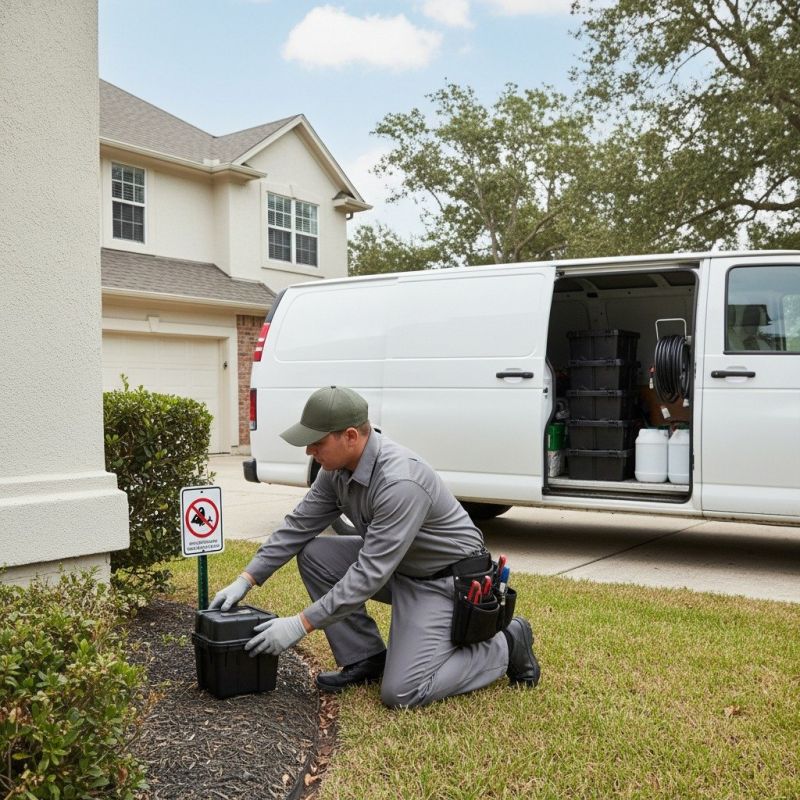
When evaluating service providers for commercial rodent control, it is important to consider their experience with similar projects. A contractor with a proven track record of handling properties of comparable size and type can better understand the unique challenges involved in addressing signs your commercial property has a rodent problem. An experienced local contractor will likely have encountered various scenarios and developed effective strategies, leading to more reliable results. When reviewing potential providers, inquire about their past work on commercial properties similar to your own to ensure they have the practical knowledge needed to handle your specific situation.
Clear written expectations are essential when choosing a service provider for rodent control. A reputable contractor will provide detailed descriptions of the services they offer, including inspection procedures, treatment methods, and follow-up measures. This transparency helps ensure that both parties have a shared understanding of the scope of work and the steps involved in addressing signs your commercial property has a rodent problem. Having well-defined expectations can prevent misunderstandings and ensure that the project proceeds smoothly, with all parties aligned on the approach and outcomes.
Reputable references and effective communication are key indicators of a dependable service provider. Service providers who can provide references from previous clients demonstrate their credibility and ability to deliver satisfactory results. Good communication throughout the process-such as promptly answering questions, explaining findings clearly, and discussing treatment options-helps build trust and ensures that concerns about signs your commercial property has a rodent problem are addressed thoroughly. Prioritizing providers known for transparent, responsive communication can lead to a more positive experience and a more effective resolution of the issue.
Property owners often search for signs your commercial property has a rodent problem when they are planning practical projects around their homes and businesses. Local pros provide Commercial Rodent Control services for everyday jobs and straightforward project options.
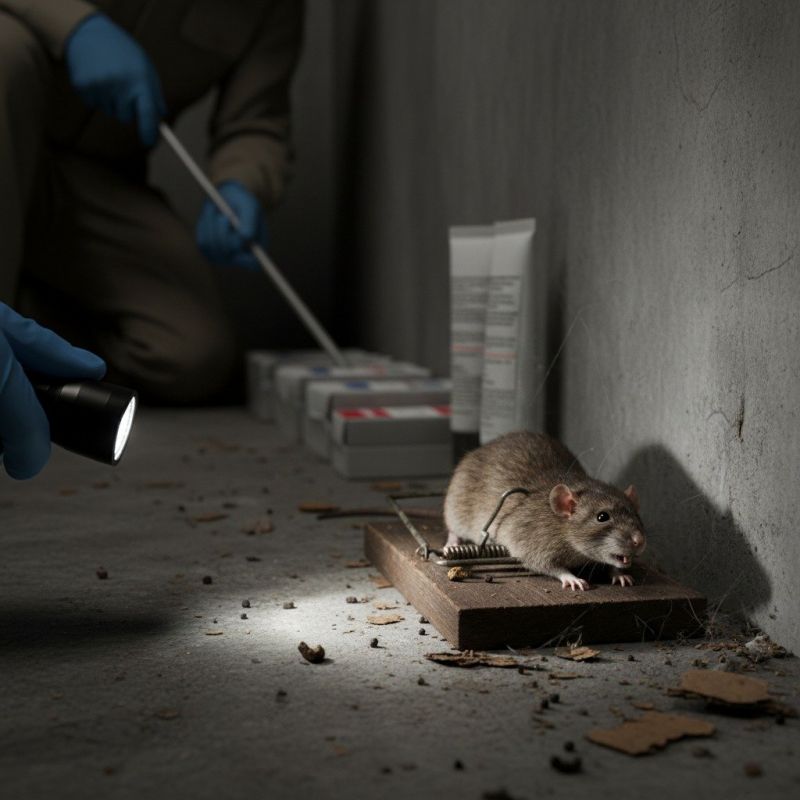

Recognizing the signs that a commercial property has a rodent problem is essential for maintaining a safe and hygienic environment. Common indicators include the presence of droppings in storage areas, kitchens, or behind equipment, as well as gnaw marks on packaging, wiring, or structural elements. Unusual sounds such as scratching or scurrying noises within walls or ceilings can also point to rodent activity. Property owners who notice these signs during routine inspections or while managing daily operations should consider reaching out to local contractors experienced in commercial rodent control to address the issue effectively.
Other telltale signs include an increase in sightings of live or dead rodents around the premises, foul odors that linger in certain areas, or evidence of nesting materials like shredded paper or fabric. These issues can escalate quickly if not handled promptly, making it important for property managers to seek the expertise of service providers who specialize in commercial rodent control. Connecting with local professionals ensures that the problem is assessed accurately and managed with strategies suited to the specific needs of the property, helping prevent further infestations and potential damage.
What are common physical signs of rodents in a commercial property? Look for droppings, gnaw marks on structures or wiring, and nests made of shredded materials, which can indicate a rodent presence that local contractors can help address.
How can I tell if there are rodent tracks or footprints? Rodent tracks may appear as small footprints or tail marks in dusty or unclean areas, signaling the need for professional inspection and control services.
Are strange odors a sign of a rodent infestation? Yes, a strong, musky smell can be an indicator of rodent activity, especially if it persists in certain areas where local contractors can evaluate and treat the problem.
What should I notice about signs of damage or chewed materials? Chewed wiring, insulation, or packaging can be signs of rodents, prompting professional assessment and control measures to prevent further damage.
When should I consider professional help for rodent signs? If signs such as droppings, tracks, or damage are observed, contacting local service providers for inspection and rodent control is recommended to address the issue effectively.
Droppings and gnaw marks - Regularly inspecting for rodent droppings and gnaw marks can help identify early signs of a problem, prompting property owners to seek professional pest control services.
Unusual noises in walls or ceilings - Noticing scratching or scurrying sounds can indicate rodents are present, encouraging property owners to schedule inspections with local contractors.
Nesting materials or burrows - Finding shredded paper, fabric, or nesting sites around the property can signal a rodent issue that requires professional removal and prevention measures.
Signs of damage to stored goods or wiring - Damage to packaging, stored items, or electrical wiring can be a sign of rodent activity, prompting property owners to consult with local pest control experts.
If you are thinking about signs your commercial property has a rodent problem for a property, this guide is meant to help you understand this topic, the typical project types, and how different options might fit your plans.
When you are ready, you can use the quote form on this page to share a few details about your project. From there, local pros can review the basics and follow up with options that match what you have in mind.